
























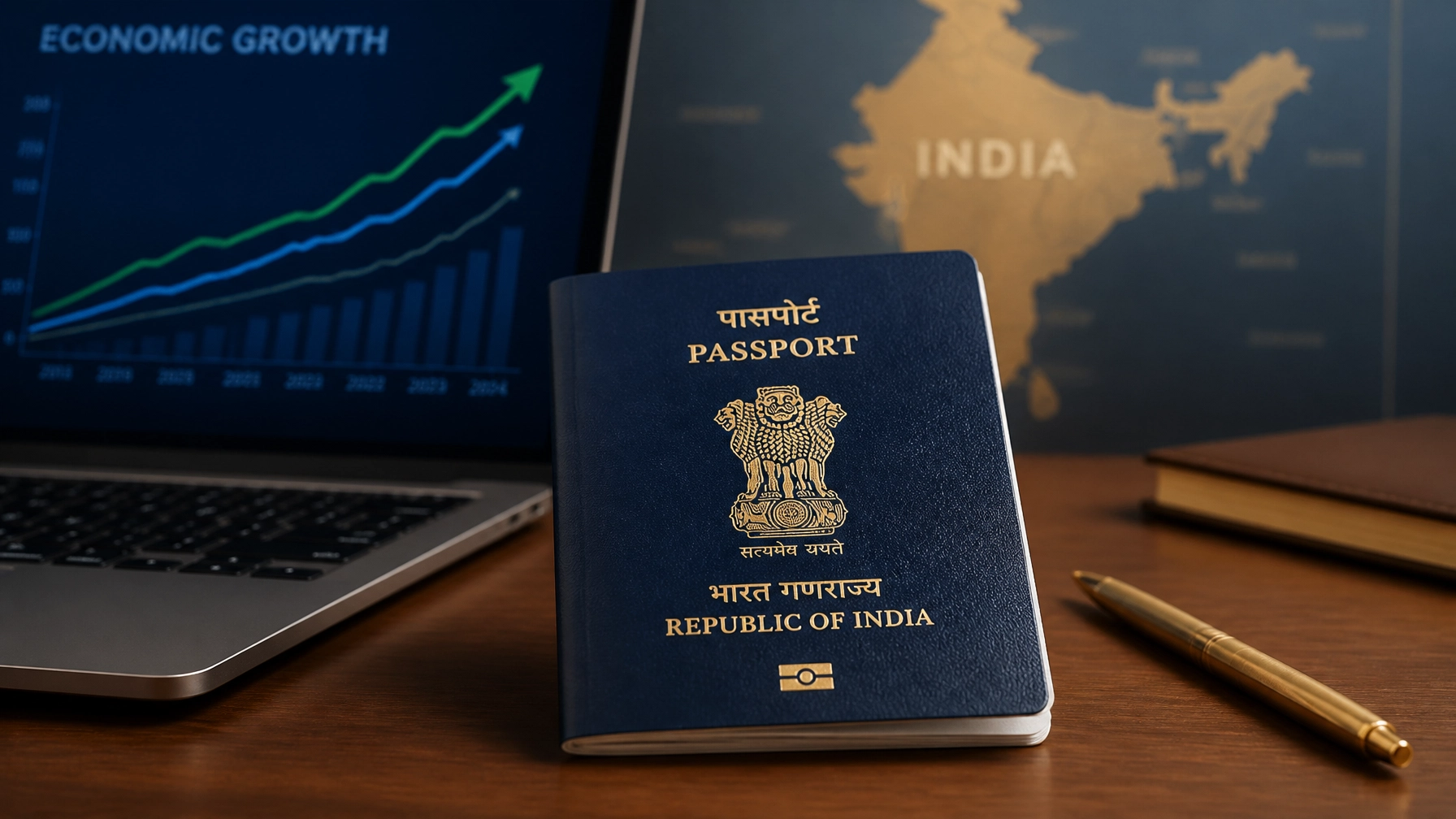

Navigating the bureaucratic corridors of the economy of india often requires patience and a keen eye for policy shifts. In a move that marks the end of a fourteen-year era of stagnant pricing, the Ministry of External Affairs (MEA) has officially notified the Passports (Amendment) Rules, 2026. Starting July 1, 2026, Indian citizens will face a significant increase in the cost of obtaining and renewing their primary travel document.
This adjustment is not merely a routine update; it is a transformative shift in the fiscal management of consular services. Since 2012, the fees for Indian passports had remained unchanged despite soaring inflation, increased logistical complexities, and the transition to high-tech chip-embedded e-passports. For business professionals, students, and frequent flyers, understanding these revised charges is essential for budgeting and strategic planning in the current fiscal year.
The First Revision Since 2012: Why Now?
The economy of india has undergone exponential growth and structural evolution since the last fee revision in 2012. Back then, the digital infrastructure for passport services was in its nascent stages. Today, the Passport Seva system is a robust, data-driven network that integrates seamlessly with national databases. However, the costs associated with maintaining this "electronic communications network," ensuring data security, and printing high-security passport booklets have surged.
According to government officials, the price hike is a "catalyst for change," aimed at revitalizing the administrative machinery and ensuring that the quality of service remains at par with global standards. While the increase may seem steep for some, it is framed as a necessary alignment to the current economic reality. By adjusting the fees, the MEA aims to democratize access to faster processing times and enhanced security features without relying solely on taxpayer subsidies for operations.

Breaking Down the New Passport Fee Structure
The new fee schedule categorizes applicants based on age, the number of pages in the booklet, and the urgency of the service. Whether you are a first-time applicant or looking to replace a damaged booklet, the following breakdown outlines exactly what you will be paying from July 1, 2026.
1. Fresh and Reissue Charges for Adults
For individuals aged 18 and above (including minors between 15–18 who opt for a 10-year validity passport), the cost of the standard 36-page booklet has risen from ₹1,500 to ₹2,500. For those who travel frequently and require more space for visas, the 60-page "Jumbo" booklet now costs ₹3,500, up from the previous ₹2,000.
2. The Premium for Speed: Tatkaal Services
The Tatkaal scheme, a vital tool for business travelers needing urgent clearances, has seen a parallel hike. A 36-page Tatkaal passport will now set you back ₹5,000 (previously ₹3,500), while the 60-page version moves from ₹4,000 to ₹6,000. These fees are structured to provide a "value proposition" for speed, ensuring that high-priority applications move through the system with expedited verification.
3. Provisions for Minors and Senior Citizens
In an effort to remain socially inclusive, the government has maintained a 10% discount for specific demographics. This discount applies to fresh applications (not reissues) for:
- Minors up to 8 years of age.
- Senior citizens aged 60 years and above.
For minors under 18 years of age (valid for 5 years), the normal fee for a 36-page passport has increased from ₹1,000 to ₹1,750.
Lost, Damaged, or Stolen Passports
Replacing a lost or damaged passport has always carried a "penalty" fee to encourage citizens to exercise caution. Under the new rules, this financial deterrent has been strengthened. If you lose your 36-page booklet, the replacement fee under the normal category is now ₹5,000. If you require it urgently under Tatkaal, the cost escalates to ₹7,500. For the 60-page variant, these charges are ₹6,000 and ₹8,500 respectively.

Comprehensive Fee Reference Table (Effective July 1, 2026)
| Category | Service Type | Pages | Normal Fee (₹) | Tatkaal Fee (₹) |
|---|---|---|---|---|
| Adult (18+ / 15-18 for 10yr) | Fresh / Reissue | 36 | 2,500 | 5,000 |
| Adult (18+ / 15-18 for 10yr) | Fresh / Reissue | 60 | 3,500 | 6,000 |
| Minor (Below 18) | Fresh / Reissue | 36 | 1,750 | 4,250 |
| Replacement (Lost/Damaged) | Adult / Minor | 36 | 5,000 | 7,500 |
| Replacement (Lost/Damaged) | Adult / Minor | 60 | 6,000 | 8,500 |
| Miscellaneous (PCC, etc.) | Verification | N/A | 750 | N/A |
Note: For the most up-to-date information, citizens are encouraged to visit the official Passport Seva Portal.
Strategic Impact on the Economy of India
From a macro-perspective, the revision of passport fees reflects a broader trend in the economy of india toward cost-recovery models for public services. As India positions itself as a global economic powerhouse, the mobility of its workforce is a critical asset. You can read more about India's growing influence in our international business section.
The revenue generated from these updated fees is expected to be reinvested into technological upgrades, including the nationwide rollout of e-passports featuring advanced biometric chips. This move aligns with the "Digital India" mission, ensuring that Indian travel documents meet the stringent "legitimate purpose" requirements of international border agencies. By modernizing the issuance process, the government provides a "transformative solution" to the growing demand for global mobility among Indian professionals and students.

Practical Guidance for Applicants
If you are planning to apply for a passport, here are a few data-driven insights to help you navigate the new fee landscape:
- Apply Before the Deadline: If your passport is nearing expiration or you need a new one, submitting your application and paying the fee before July 1, 2026, will allow you to avail of the old rates (e.g., ₹1,500 for a standard adult passport).
- Opt for 60 Pages if Necessary: If you are a frequent traveler, the marginal cost of the 60-page booklet (₹3,500) vs. the 36-page (₹2,500) is often a more efficient investment than paying for a reissue once the smaller booklet is exhausted.
- Ensure Document Accuracy: With replacement fees for lost/damaged passports reaching up to ₹8,500, the financial risk of negligence is higher than ever. Store your documents in secure, fireproof locations and utilize digital lockers for copies.
- Stay Updated on Local Verifications: The fee for Police Clearance Certificates (PCC) has also been revised to ₹750. Ensure you have the correct demand draft or online payment confirmation before your appointment.
For more insights into the Indian business landscape and market performance, explore our Latest Stories.
Conclusion
The hike in passport fees, the first in over a decade, is a definitive signal of the evolving fiscal priorities within the economy of india. While the increased cost may be a point of contention for some, the MEA frames it as a necessary step to maintain a world-class, secure, and efficient consular system. As the Indian diaspora continues to expand and the nation's business interests reach new horizons, the passport remains a foundational tool for global engagement.
By understanding the new fee structure and the mission behind these administrative changes, citizens can better navigate their international aspirations with precision and foresight. Whether for tourism, education, or high-stakes business negotiations, the Indian passport continues to be a gateway to the world, now revitalized for the digital age.