

























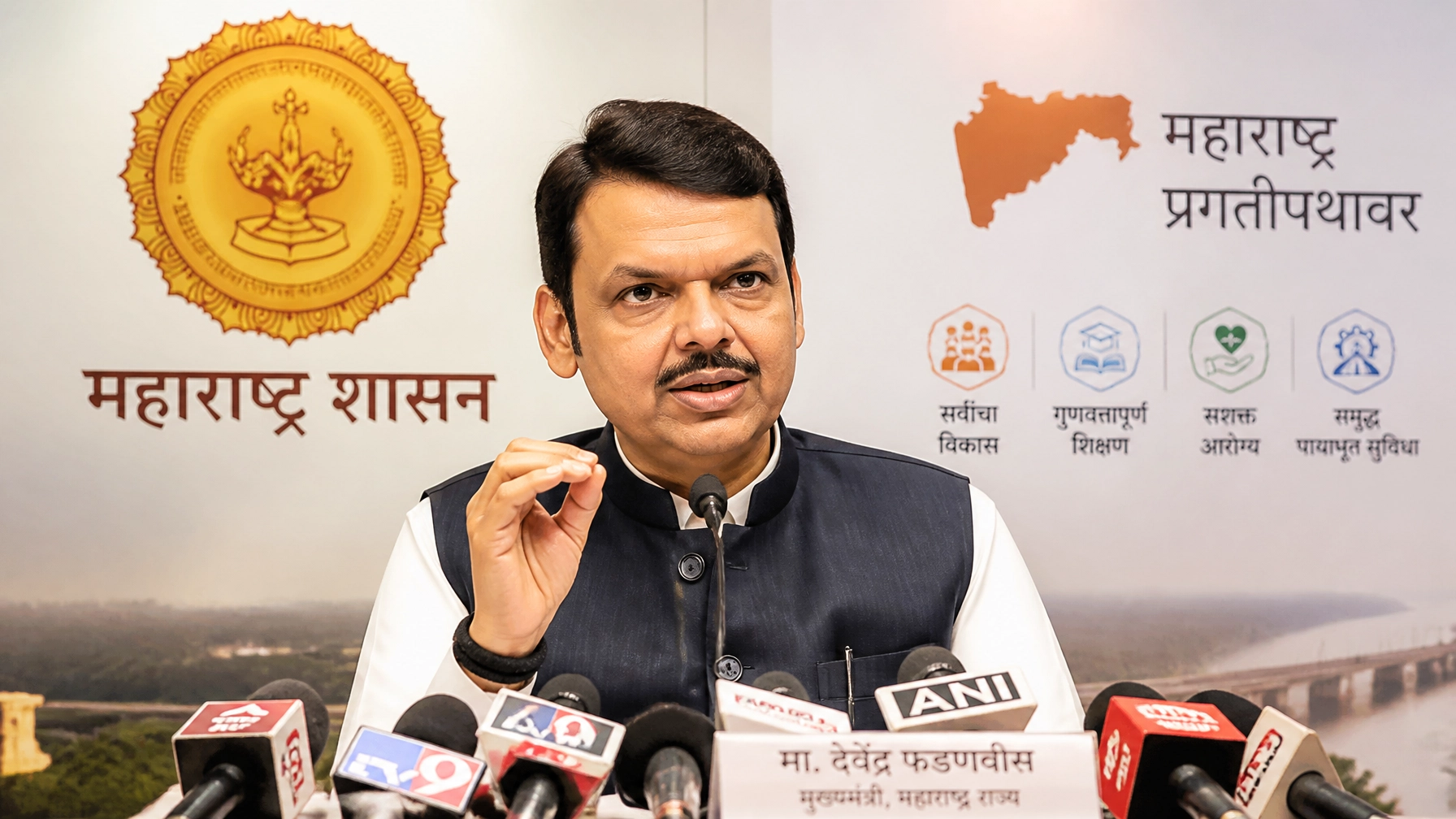

In a definitive move that underscores the government's commitment to social welfare and gender-driven financial inclusion, the Maharashtra government has officially confirmed that the Ladki Bahin Scheme will continue to operate with a robust framework. Deputy Chief Minister Devendra Fadnavis recently silenced rumors regarding the potential scrapping of this flagship program, assuring the public that approximately 1.7 crore eligible women across the state will persist as the primary beneficiaries.
The Ladki Bahin Scheme, or the Mukhyamantri Majhi Ladki Bahin initiative, stands as a transformative pillar in Maharashtra's economic landscape. By providing a monthly direct benefit transfer (DBT) of ₹1,500 to women from economically weaker sections, the state aims to democratize access to financial resources, thereby empowering households and revitalizing local economies. As the government navigates the complexities of fiscal management and eligibility verification, the reaffirmation of this mission highlights a strategic prioritization of the female demographic in India's most industrialized state.
1. The Resiliency of the Ladki Bahin Scheme
The political and social narrative surrounding the Ladki Bahin Scheme has been a subject of intense scrutiny in recent months. Critics and opposition leaders have often pointed toward the state's fiscal deficit as a potential catalyst for downsizing the program. However, the recent proclamations by the Deputy Chief Minister serve as a testament to the scheme's resiliency. Fadnavis characterized the initiative as the largest of its kind in India, emphasizing that its survival is not just a political promise but a socio-economic necessity.
By ensuring that the Ladki Bahin Scheme remains a permanent fixture of the state’s welfare architecture, the government is signaling a shift toward sustainable long-term support rather than ephemeral election-year handouts. This continuity is essential for building trust among the 1.7 crore women who rely on these funds for basic household necessities, healthcare, and education. Such institutional stability is often the bedrock of effective business management and governance, ensuring that the wheels of the economy keep turning even during periods of administrative transition.

2. Verification vs. Fiscal Strain: The 80 Lakh Factor
A significant point of discussion has been the reduction in the number of beneficiaries from an initial 2.4 crore to 1.7 crore. While opposition factions have labeled this a symptom of a "severe financial crisis," the government maintains that the pruning was conducted for a legitimate purpose. Utilizing advanced data-driven insights and cross-referencing with income tax, transport, and ration card databases, authorities identified approximately 80 lakh applicants who did not meet the stringent eligibility criteria.
This verification drive removed:
- Families of government employees.
- Taxpayers exceeding the specified income threshold.
- Owners of luxury vehicles.
- Instances of fraudulent applications (including nearly 14,000 men who attempted to apply under women’s names).
Fadnavis clarified that while ineligible male applicants would face recovery proceedings, no recovery would be sought from women who had already received funds but were later found ineligible. This empathetic approach ensures that the "mission" of the Ladki Bahin Scheme remains focused on dignity rather than punitive measures. For those interested in how government policies intersect with broader economic shifts, observing these inflationary gauges provides a clearer picture of the fiscal tightrope the state is walking.
3. Catalyst for Economic Change: Consumption & Demand
From a purely economic perspective, the Ladki Bahin Scheme functions as a massive injection of liquidity into the grassroots economy. With 1.7 crore women receiving ₹1,500 monthly, the state is facilitating a monthly cash transfer of roughly ₹2,550 crore. On an annual basis, this represents a staggering commitment of over ₹30,600 crore.
This capital does not remain stagnant; it is immediately deployed into the market for goods and services. Much like India's new battery swap scheme aims to revolutionize the energy sector, the Ladki Bahin initiative is designed to revitalize the retail and service sectors by boosting rural and urban demand. When women have disposable income, they tend to prioritize household nutrition and education, leading to exponential growth in human capital indicators over time.

4. Bridging the Digital Divide
The implementation of the Ladki Bahin Scheme has necessitated a rapid acceleration of digital literacy and financial inclusion. To receive benefits, women must navigate e-KYC processes and manage bank accounts: many for the first time. This digital integration is a vital step toward a more inclusive economy. We have seen similar trends where women entrepreneurs on Shark Tank India leverage technology to scale their ventures; similarly, the Ladki Bahin beneficiaries are now part of an electronic communications network that simplifies future government interactions and commercial transactions.
The ripple effect of this inclusion is profound. By bringing 1.7 crore women into the formal banking system, the state is creating a massive database of "unbanked" individuals who now have a credit history, making them eligible for micro-loans and other entrepreneurial supports in the future.

5. A Vision for Socio-Economic Parity
The "Ladki Bahin" (Beloved Sister) concept is more than just a fiscal policy; it is a cultural statement. By framing the scheme around the dignity of women, the Maharashtra government is positioning itself as a proactive agent of social change. According to reports from NDTV and the Deccan Herald, the state’s determination to continue the scheme despite opposition pressure reflects a calculated bet on the long-term benefits of gender parity.
The scheme acts as a bridge, connecting the most vulnerable sections of society with the broader industrial and corporate progress of Maharashtra. As the state continues to lead in manufacturing and startup ecosystems, ensuring that the female workforce and household managers are financially stable is paramount for holistic progress.

Conclusion
The Ladki Bahin Scheme represents a sophisticated blend of social welfare and economic stimulation. By confirming its continuity for 1.7 crore women, Devendra Fadnavis has reinforced the government’s stance that fiscal prudence and social responsibility can: and must: coexist. While the removal of ineligible beneficiaries via rigorous verification was a necessary step for maintaining a "legitimate purpose," the core mission remains untouched: to empower the women of Maharashtra.
As we look toward the future, the impact of such direct benefit transfers will likely be measured not just in rupees, but in the revitalized spirit of enterprise and the increased standard of living for millions. For the business community and investors, this remains a key indicator of state-level stability and a commitment to inclusive growth. The Ladki Bahin Scheme is here to stay, and its role as a transformative solution for social empowerment is only just beginning.