

























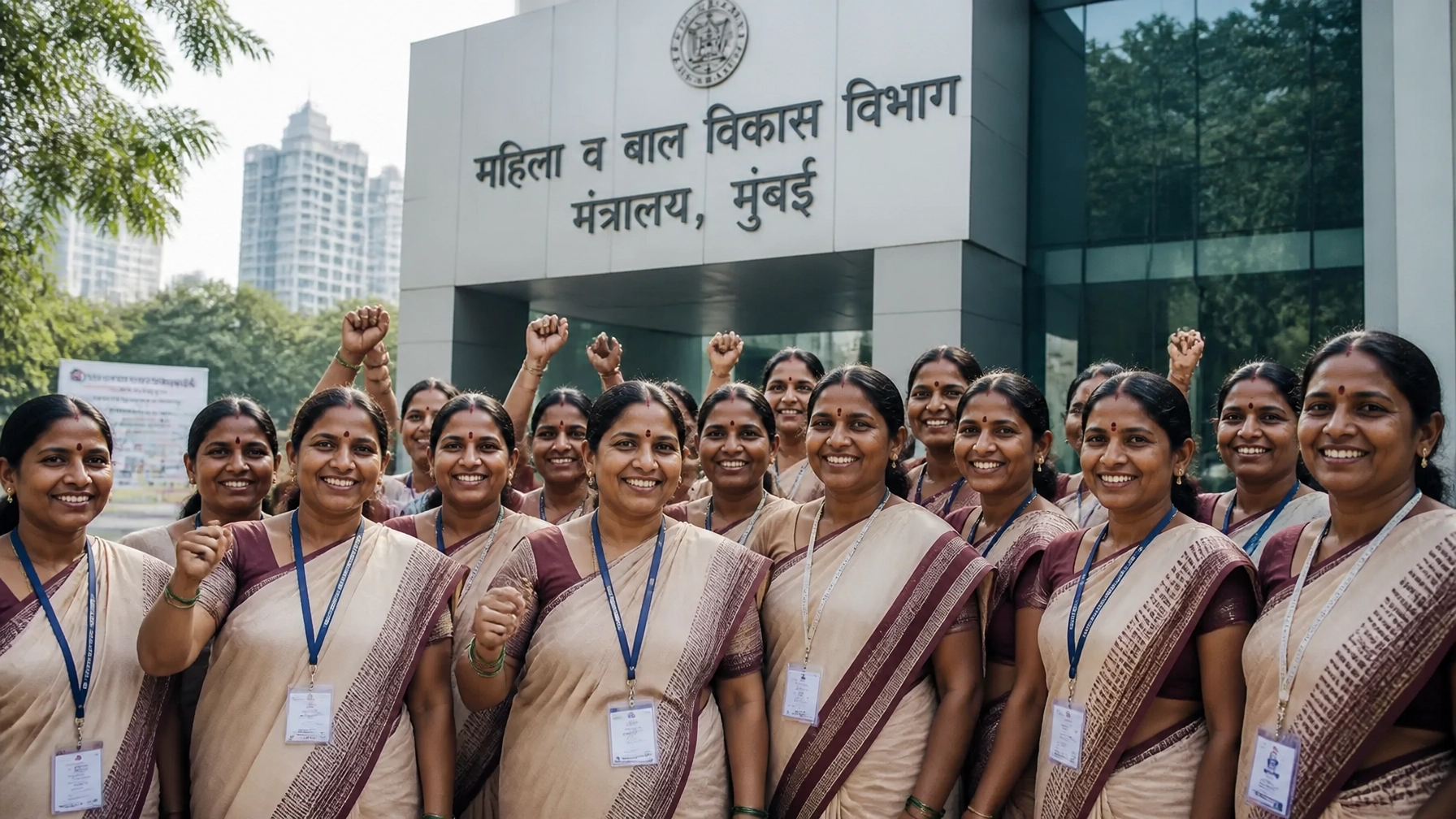

In a definitive move that signals a significant victory for the backbone of rural healthcare, the state of Maharashtra has witnessed a landmark Maharashtra health workers protest resolution. Following a rigorous three-day demonstration that saw thousands of Anganwadi, ASHA (Accredited Social Health Activists), and National Health Mission (NHM) workers take to the streets, a breakthrough has finally been achieved. This resolution, brokered during a high-stakes meeting with Minister Girish Mahajan, marks a pivotal moment in the state's administrative and social landscape.
For years, these frontline workers have been the unsung heroes of the Indian healthcare system, bridging the gap between sophisticated urban medical facilities and the remote corners of rural Maharashtra. The recent agitation was not merely a call for higher wages; it was a demand for dignity, recognition, and long-term security. As the protest concluded on June 5, 2026, the focus has shifted toward the specific terms of the agreement and the systemic changes it promises to usher in.
The Catalyst for Change: Understanding the Workers' Demands
The agitation began as a response to perceived systemic neglect. The primary agitators: Anganwadi workers, ASHA volunteers, and NHM contractual staff: form the primary layer of India’s public health and nutrition programs. Despite their critical role in maternal health, child nutrition, and epidemic management, many have operated under the label of "volunteers" rather than recognized government employees.
The core demands that fueled this three-day standoff included:
- Regularization of Employment: Moving away from the "honorarium" model toward a formalized salary structure.
- Increased Monthly Stipends: Adjusting payments to align with the current cost of living and inflationary pressures.
- Social Security Benefits: Access to pension schemes, maternity leave, and comprehensive health insurance.
- Infrastructural Support: Better facilities at Anganwadi centers and provision of essential technological tools for data entry.
These demands are reflective of a broader global trend where the essential workforce often faces labor-intensive conditions without commensurate corporate or state protections.

Strategic Negotiations: The Girish Mahajan Factor
The resolution of such a large-scale strike required a sophisticated diplomatic approach. Minister Girish Mahajan, who oversees key portfolios in the Maharashtra government, emerged as a central figure in these negotiations. His role was to balance the fiscal constraints of the state with the legitimate and pressing needs of the healthcare workforce.
The meeting, which lasted several hours, involved representatives from various trade unions and worker federations. It was characterized by a formal and professional register, moving past the emotional rhetoric of the streets into the technicalities of budgetary allocations. The "Mahajan Formula," as some insiders are calling it, focuses on a phased implementation of benefits, ensuring that the state's economic framework remains stable while providing immediate relief to the workers.
By framing the workers as "partners in progress" rather than "beneficiaries," the administration was able to democratize the negotiation process. This shift in perspective was instrumental in reaching the Maharashtra health workers protest resolution, allowing for a middle ground that addressed the immediate financial shortfall while setting a roadmap for future structural reforms.
Core Elements of the Maharashtra Health Workers Protest Resolution
The agreement reached between the state government and the worker representatives is comprehensive, covering both immediate financial incentives and long-term administrative commitments. Below are the categorized benefits and features of the new resolution:
- Substantial Honorarium Hike: The state has agreed to a significant percentage increase in the monthly honorarium for ASHA and Anganwadi workers. This increase is designed to mitigate the impact of rising consumer prices.
- Implementation of the ‘Bima’ Kavach: A specialized insurance scheme has been revitalized, providing life and disability cover to frontline workers, acknowledging the high-risk nature of their fieldwork.
- Digitization and Efficiency Grants: To reduce the clerical burden, the government will provide updated mobile devices and data stipends to NHM workers, ensuring that health reporting is streamlined and data-driven.
- Retirement Gratuity Provision: For the first time, a definitive plan for a one-time retirement benefit for long-serving Anganwadi workers has been put on the table.
- Commitment to Permanent Posts: While full regularization for all remains a complex legal hurdle, the government has committed to creating a pathway for long-term NHM contractual staff to transition into permanent roles based on merit and seniority.

Economic and Social Implications of the Agreement
The economic ramifications of this resolution extend far beyond the immediate payroll of the state. By empowering the grassroots healthcare workforce, Maharashtra is essentially investing in its human capital. A well-compensated and motivated ASHA worker is a catalyst for change in rural immunization rates, which in turn reduces the long-term public health expenditure of the state.
From a business perspective, the resolution of this protest prevents a prolonged disruption in rural healthcare services. In an era where "data-driven insights" are the lifeblood of health policy, having a functioning network of frontline workers is essential for pharmaceutical companies, NGOs, and government agencies alike. The resolution ensures that the National Health Mission goals for 2026 remain on track.
Furthermore, this agreement serves as a case study in effective organizational management within a public sector context. It demonstrates that when administrative leaders engage in transparent, legitimate-purpose-driven dialogue, even the most entrenched standoffs can lead to "exponential growth" in mutual trust.
Future Outlook: Strengthening the Grassroots Healthcare Infrastructure
As the workers return to their posts across the districts of Maharashtra, the focus now shifts to the "mission" of implementation. History has shown that resolutions on paper can often face delays in the "electronic communications network" of bureaucracy. However, the optimistic and laudatory tone of the recent joint press release suggests a revitalized spirit of cooperation.
The Maharashtra government has promised a quarterly review of the implementation progress. This level of accountability is transformative, positioning the state as a leader in labor relations within the healthcare sector. The success of this resolution will likely serve as a blueprint for other states facing similar labor unrest among their scheme workers.

Conclusion
The Maharashtra health workers protest resolution is more than just the end of a three-day strike; it is a significant advancement in the social contract between the state and its most vital frontline employees. Through the proactive leadership of Minister Girish Mahajan and the unwavering determination of the Anganwadi, ASHA, and NHM workers, a sustainable path forward has been established.
By addressing the core demands of regularization, financial security, and professional respect, the state has not only revitalized its healthcare workforce but also reinforced the stability of its rural economy. As we move further into 2026, the success of this agreement will be measured by the improved health outcomes of millions of citizens: a mission that remains the ultimate value proposition of the Maharashtra healthcare system.