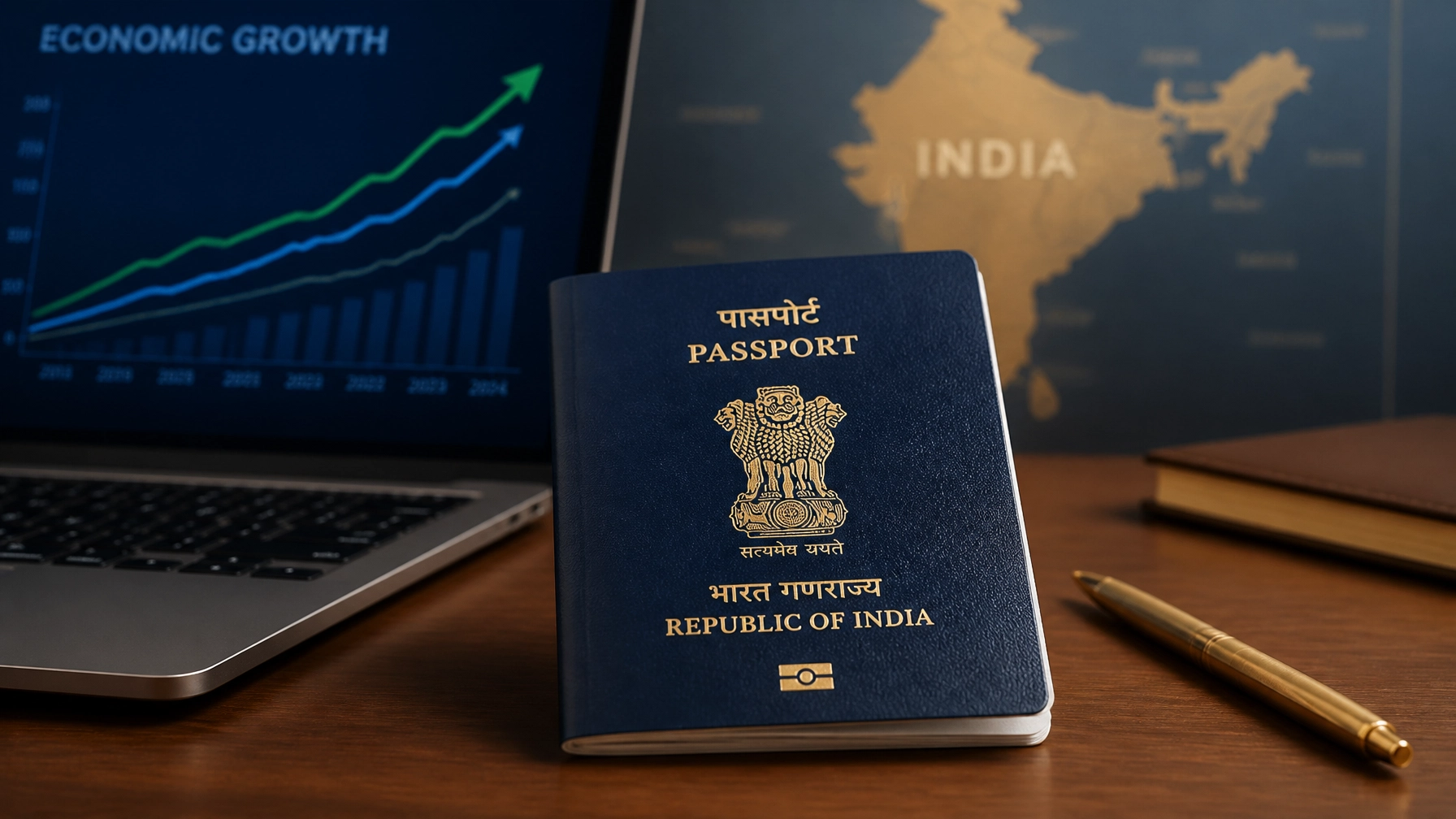





























The Indian financial technology landscape has undergone a seismic shift, moving from a phase of cautious correction to a period of highly disciplined, high-value expansion. As of May 2026, the industry is buzzing with the aftershocks of a record-breaking April. Investors have moved past the "growth at all costs" mantra, pivoting toward companies with a legitimate purpose and a clear path to profitability. This evolution is not just a trend; it is a catalyst for change that is redefining how the world views the Indian digital economy.
The month of April 2026 witnessed a series of Indian Fintech deals that underscored the sector's resilience and its sophisticated maturity. While deal volumes have stabilized, the sheer ticket size of individual investments suggests that capital is concentrating around proven market leaders and innovative disruptors in wealth management and consumer credit.
Below, we dissect the 10 major deals that redefined the ecosystem last month.
1. KreditBee’s $280 Million Series E: Strengthening the Credit Backbone
KreditBee remains a titan in the online credit solution space. Their recent $280 million Series E round, led by Hornbill Capital and Motilal Oswal, serves as a monumental endorsement of the consumer lending model. With a reinforced valuation of approximately $1.5 billion, the company is utilizing these funds to strengthen its balance sheet ahead of a much-anticipated IPO. This deal highlights the exponential growth potential of lending platforms that prioritize risk management and technological scalability.
2. Razorpay’s ₹2,700 Crore Fresh Issue: The Pre-IPO Masterstroke

Razorpay is no longer just a payments processor; it is the infrastructure upon which modern Indian business is built. Obtaining shareholder approval for a ₹2,700 crore fresh issue is a strategic move that sets the stage for one of the most significant public listings of the year. The capital is earmarked for AI-driven products like "Agent Studio," which aims to democratize financial automation for small and medium enterprises. This pivot toward AI-integrated financial services is a prime example of how traditional fintech is being revitalized by deep tech.
3. Neo Group Hits Unicorn Status with $53 Million Raise
WealthTech has emerged as the darling of the 2026 investment cycle. Neo Group, focusing on High-Net-Worth Individuals (HNIs) and family offices, secured $53 million at a $1.1 billion valuation. Led by TVS Capital, this investment signifies a broader market shift: as India's middle and upper classes grow, the demand for sophisticated investment infrastructure has moved from the periphery to the center of the fintech mission.
4. Weaver’s $156 Million Late-Stage Dominance
In what many analysts call the "Barbell Effect," capital is increasingly clustered at the late-stage end of the spectrum. Weaver’s massive $156 million round exemplifies this trend. Investors are now writing larger checks for fewer companies, ensuring that established players have the "dry powder" necessary to survive volatile market shifts and pursue aggressive inorganic growth through acquisitions.
5. Scripbox Scales Digital Wealth with ₹170 Crore Raise
Continuing the WealthTech surge, Scripbox successfully raised ₹170 crore to expand its digital advisory and tax-planning services. For many investors, managing wealth is a complex puzzle; Scripbox’s value proposition lies in simplifying this process through data-driven insights. Internal resources such as our guide on 7 mistakes you're making with your 2026 tax planning highlight why such platforms are becoming essential for the modern Indian professional.
6. Easy Home Finance: Propelling Affordable Housing Fintech
The intersection of real estate and fintech found a champion in Easy Home Finance’s $30 million Series C. By providing digital-first lending solutions for affordable housing, they are addressing a critical gap in the Indian market. This deal reflects the growing investor interest in "impact fintech": platforms that serve a legitimate purpose by solving real-world social challenges while maintaining a profitable business model.
7. Juspay’s $28 Million Series D: Perfecting Payment Orchestration
As the complexity of the electronic communications network grows, payment orchestration becomes vital. Juspay’s $28 million raise is a testament to the importance of "checkout experiences." In an era where a 1-second delay can lead to cart abandonment, Juspay’s mission to provide a seamless, multi-gateway experience is a transformative solution for the e-commerce sector.
8. Ecofy and the Rise of Green Finance
Mumbai has recently emerged as the dominant hub for fintech deals, capturing over 60% of the total funding in early 2026. Ecofy, based in Mumbai, is a significant part of this trend. Their focus on green finance and sustainable lending is aligning fintech with global ESG (Environmental, Social, and Governance) standards, proving that profitability and sustainability can coexist in the Indian market.
9. Idfy: Securing the Digital Identity Layer
With the increase in digital transactions, fraud detection has become a non-negotiable requirement. Idfy’s recent funding round (part of the Mumbai fintech surge) underscores the critical role of identity verification. By utilizing AI and machine learning to secure the digital onboarding process, Idfy provides the security layer that allows other fintechs to scale safely and efficiently.
10. Paramotor Digital: The New Frontier of Niche Fintech
Finally, the rise of specialized players like Paramotor Digital highlights the diversification of the ecosystem. Whether through confidential IPO filings or niche market strategies, these companies are demonstrating that there is still room for innovation in a crowded market. Understanding why business management for startups is essential for growth is crucial for these smaller players as they look to navigate the competitive waters of 2026.
The Mumbai Surge: A Geographic Rebalancing
A notable takeaway from the April 2026 data is the shifting geography of Indian Fintech deals. While Bengaluru remains a vital innovation hub, Mumbai has pulled ahead significantly, capturing a majority of the big-ticket rounds. This is largely due to Mumbai's position as the traditional financial capital, where fintechs are increasingly collaborating with legacy banks and financial institutions to create hybrid models of service delivery. This start-up flood in India is no longer a regional phenomenon but a nationwide economic engine.
Conclusion
The fintech landscape in April 2026 serves as a powerful reminder that the Indian market is maturing into a world-class financial ecosystem. The transition from speculative growth to disciplined, high-value deal-making is a positive indicator for long-term stability. From Razorpay’s massive IPO preparations to KreditBee’s lending dominance and the rise of WealthTech unicorns like Neo Group, the industry is proving its ability to innovate under pressure.
As we look toward the remainder of the year, the "Barbell Effect" will likely continue: investors will remain selective, favoring companies that offer transformative solutions and robust operational execution. For entrepreneurs and investors alike, the message is clear: the mission is no longer just to participate in the market, but to lead it with precision and purpose. 📈🇮🇳