
























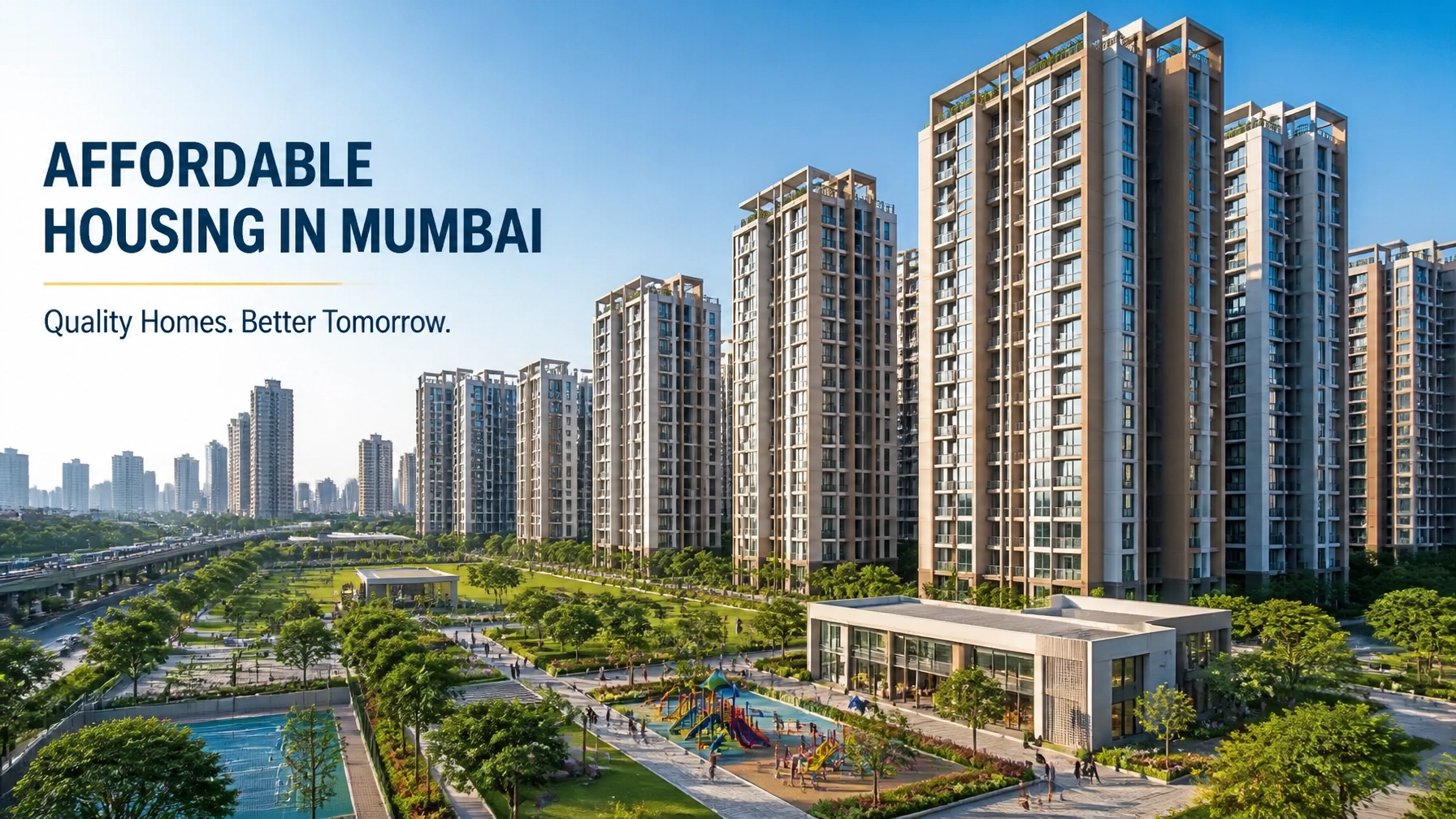

The landscape of the Mumbai real estate market has long been characterized by soaring sky-scrapers and even higher price tags. However, the recent conclusion of the MHADA (Maharashtra Housing and Area Development Authority) Mumbai Board Lottery 2026 has sent a clear message: the thirst for affordable, high-quality urban housing is stronger than ever. With over 78,000 applications flooding in for a mere 2,640 available units, the lottery has become a significant catalyst for change in how we perceive property ownership in India’s financial capital.
This overwhelming response underscores a critical mission for the state: to democratize housing and provide a revitalized sense of security for thousands of families. As the city continues its trajectory toward becoming a global megacity, the role of government-led initiatives like the MHADA lottery remains a cornerstone of the broader economic strategy to ensure sustainable urban growth.
1. High Demand and the Competitive Landscape
The sheer volume of applications: approximately 30 for every single flat: highlights the massive supply-demand gap in the Mumbai real estate market. For many middle-income and lower-income families, the open market remains prohibitively expensive, making MHADA projects a transformative solution.
The lottery, which features homes in prime and developing pockets of the city, has seen interest across all segments. Whether it is a professional seeking a 2BHK in Borivali or an individual looking for an entry-level home in Vikhroli, the competition reflects a collective aspiration to own a piece of Mumbai. This surge in interest is not just about a roof over one's head; it is about securing a "legitimate purpose" for long-term investment and stability in an increasingly volatile financial environment.

2. Strategic Locations: Borivali, Goregaon, and Vikhroli
The 2,640 homes offered in this cycle are strategically located to leverage Mumbai’s expanding infrastructure. The focus on areas like Borivali, Pahadi Goregaon, and Vikhroli is intentional. These neighborhoods are currently experiencing exponential growth due to improved metro connectivity and new commercial hubs.
- Borivali & Goregaon: These western suburbs have transitioned from quiet residential pockets to bustling hubs. The MHADA units here offer a high value proposition, providing modern amenities at a fraction of the cost seen in private developments.
- Vikhroli: Positioned along the central line, Vikhroli is witnessing a commercial renaissance. Affordable housing here allows employees in the tech and service sectors to live close to their workplaces, reducing commute times and improving quality of life.
By offering homes in these locations, MHADA is effectively bridging the gap between luxury high-rises and the housing needs of the common citizen, thereby stabilizing the overall Mumbai real estate market ecosystem.
3. Understanding the Income Categories and Eligibility
To maintain fairness and fulfill its social mandate, MHADA categorizes applicants based on their monthly income. This ensures that the benefits of affordable housing are directed toward those who need them most. The 2026 lottery adheres to strict data-driven insights to manage the distribution:
- EWS (Economically Weaker Section): Aimed at those with a monthly income up to roughly ₹30,000.
- LIG (Lower Income Group): Targeting the ₹30,001 to ₹60,000 bracket.
- MIG (Middle Income Group): Serving families earning between ₹60,001 and ₹1,00,000.
- HIG (Higher Income Group): For those above the MIG threshold, though these units are fewer in number.
Applicants are required to provide a range of documents, including Aadhaar, PAN, and domicile certificates, to verify their eligibility. This rigorous process ensures that the lottery remains transparent and serves its intended mission of providing homes to those without existing property in the city. For those planning their finances around such a major purchase, staying ahead of 2026 tax planning is essential to ensure loan eligibility and smooth transactions.
4. The Value Proposition: Affordable Luxury
Gone are the days when "affordable housing" meant compromised quality. The 2026 MHADA units feature modern "carpet area" layouts that maximize space and utility. Many of these projects now include amenities like elevators, fire safety systems, and community halls, rivaling mid-tier private projects.

The pricing strategy is particularly attractive. While private developers in the Mumbai real estate market might charge premium prices for the same zip code, MHADA’s rates are calculated to be significantly lower, providing an immediate equity gain for the lucky winners. This price-to-value ratio is what continues to drive the staggering application numbers year after year.
5. Navigating the Application and Draw Process
The journey from application to possession is a meticulous one. MHADA has digitized much of the process through its official lottery portal, utilizing an electronic communications network to provide real-time updates to applicants.
- Online Registration: Users create a profile and upload KYC documents.
- Scheme Selection: Applicants choose a specific project and category based on their preference and income.
- Earnest Money Deposit (EMD): A refundable deposit is paid to enter the draw.
- The Draw: Conducted via a computerized, transparent system, often live-streamed to maintain public trust.
- Possession: Winners are issued allotment letters and must complete payment within a specified timeframe.
For those who do not win, the EMD is refunded promptly, allowing them to reinvest or prepare for the next housing cycle. The transparency of this system has been a major factor in maintaining public confidence in government housing schemes.

6. Impact on the Broader Economy
The MHADA lottery is more than just a housing scheme; it is a significant economic event. The construction of these 2,640 homes generates thousands of jobs and stimulates the local supply chain for materials like cement, steel, and glass. Furthermore, by providing homes to over 2,600 families, the government is fostering a more stable and productive workforce.
At Business Tantra, we recognize that such developments are vital indicators of the city's health. When the Mumbai real estate market thrives at the grassroots level, it creates a ripple effect that benefits the entire state's economy. For more insights into our coverage of the Indian business landscape, visit our About Us page or Contact Us for collaborations.
Conclusion
The MHADA lottery 2026 serves as a powerful reminder of the enduring dream of homeownership in India. With 78,000 citizens vying for just 2,640 homes, the demand for affordable housing in the Mumbai real estate market remains a formidable challenge and a massive opportunity. As MHADA continues to roll out new phases and leverage modern construction technology, it will undoubtedly remain the most significant player in shaping the future of Mumbai's skyline. For the winners, this is not just a financial victory: it is the start of a new chapter in a city that never stops growing. 🏠✨