



























In the volatile world of industrial manufacturing, the ability to pivot is often the difference between fiscal resilience and operational stagnation. As we observe the latest shifts in corporate news india and global markets, a significant trend is emerging within the heavy machinery and extraction sectors. U.S. drill bit manufacturers are currently executing a strategic "ramp up" in their shift toward high-strength alloy steel, a move necessitated by an unprecedented and exponential growth in the price of tungsten.
This transition is not merely a reactionary measure to temporary market fluctuations but represents a fundamental revitalized approach to tool engineering and supply chain management. With tungsten prices hitting historic highs in 2026, the industry is witnessing a "catalyst for change" that is forcing manufacturers to rethink the very composition of their most essential tools.
1. The Tungsten Crisis: A 550% Surge in Raw Material Costs
For decades, tungsten carbide has been the gold standard for the drilling industry. Its extreme hardness and heat resistance made it indispensable for cutting through the most abrasive rock formations in oil, gas, and mining operations. However, the current economic landscape has rendered the status quo unsustainable.
According to recent industrial data, the price of Ammonium Paratungstate (APT), the primary intermediate for tungsten, has surged by an astounding 550% since early 2025. This spike was largely triggered by tightened export controls from China, which currently commands approximately 75% of the global supply. For corporate entities in the U.S. and those following corporate news india, this development has introduced a level of supply chain fragility that demands immediate mitigation.

Much like how inflation gauges hit 39-year highs in the past, the current tungsten shortage is serving as a significant economic indicator of a broader shift in global commodity dominance. Manufacturers can no longer rely on subsidized pricing from a single dominant source, leading to a legitimate purpose for diversifying material inputs.
2. Steel as a Catalyst for Change in Tooling
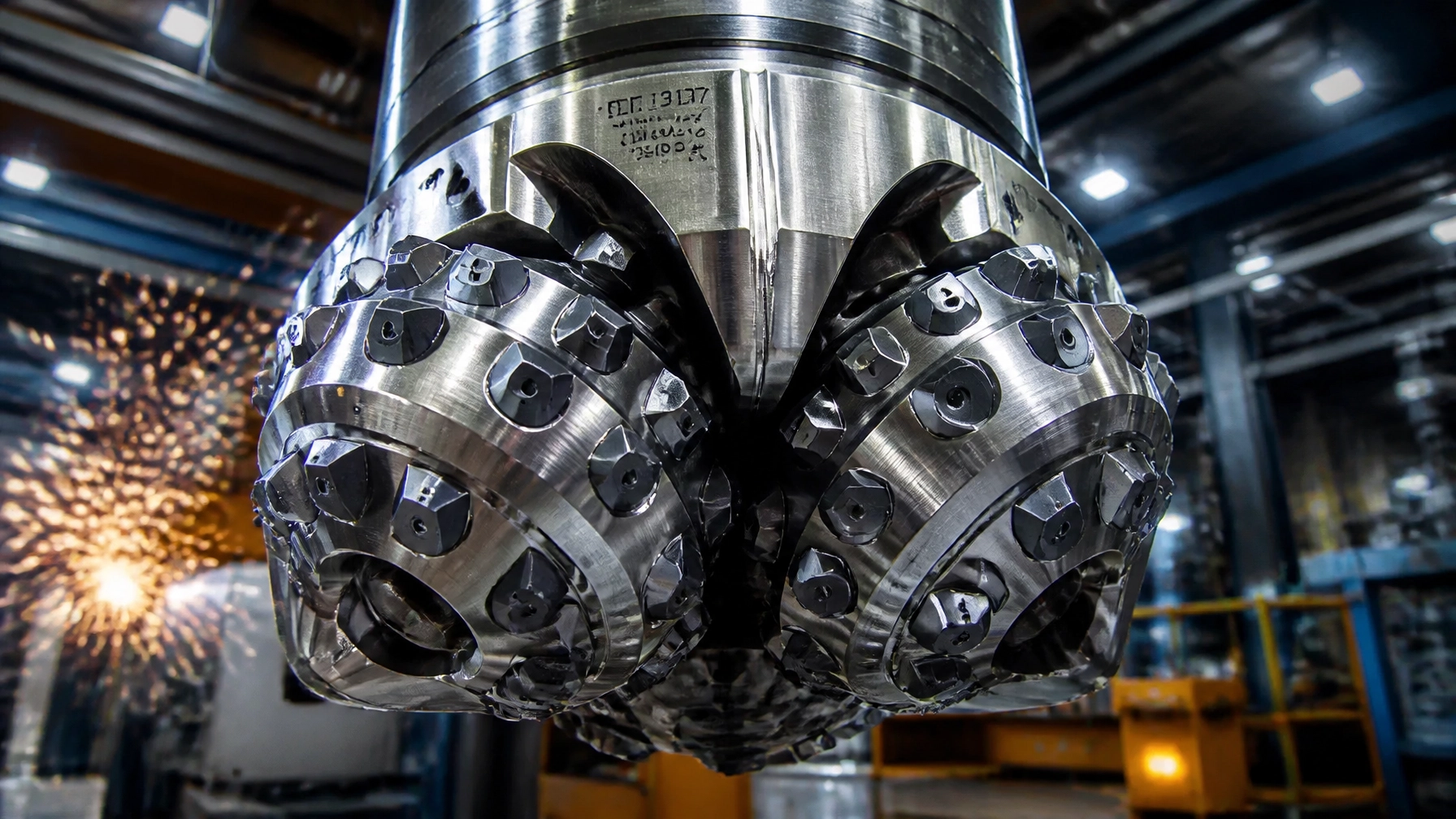
In response to the carbide crunch, U.S. drill bit makers are increasingly turning to advanced steel alloys as a viable alternative. While steel-tooth and steel-body bits have always existed, they were often relegated to "soft formation" drilling where the extreme durability of tungsten was considered overkill. Today, the value proposition has changed.
Modern metallurgical advancements have allowed for the creation of high-strength alloy steels that bridge the performance gap between traditional steel and tungsten carbide. These materials are being used to "democratize" access to high-performance drilling tools at a fraction of the cost.
By leveraging data-driven insights into bit wear patterns, engineers are now designing bits that use steel for the primary structure, reserving tungsten carbide only for the most wear-critical inserts. This hybrid approach significantly reduces the total tungsten content per tool, allowing manufacturers to keep prices competitive even as raw material costs skyrocket.
3. Strategic Re-engineering: The Move Toward Hybrid Solutions
The shift to steel is not just about cost-cutting; it is about sophisticated engineering. Companies are investing millions in research and development to optimize the geometry of steel-based bits. By refining the shape and angle of steel teeth, manufacturers can achieve penetration rates that were previously thought impossible without heavy carbide usage.
Key innovations in this sector include:
- Advanced Surface Treatments: Nitriding and other hardening processes that enhance the wear resistance of the steel exterior.
- Modular Insert Technology: Allowing for the easy replacement of specific tungsten inserts, extending the bit's total lifespan.
- High-Alloy Tool Steels: Utilizing chromium, molybdenum, and vanadium to increase toughness and heat tolerance.
This strategic pivot is essential for maintaining growth. As highlighted in our analysis of business management for startups, the ability to adapt to external market pressures is a hallmark of long-term corporate viability.

4. Global Supply Chain Impacts and the Indian Market
The ripple effects of the U.S. industrial shift are being felt across the globe, particularly in the Indian subcontinent. As a major player in both mining and infrastructure development, India’s exposure to tungsten price volatility is significant. Readers of corporate news india will note that Indian manufacturers are also seeking to decrease their reliance on imported tungsten through similar material substitutions.
The Indian government's push for self-reliance in the industrial sector aligns perfectly with this global trend. As U.S. companies ramp up steel-based production, there is a burgeoning opportunity for Indo-US collaboration in metallurgy and tool manufacturing.

Indian innovators, who have frequently showcased their ideas on global stages like the Dubai Expo, are now looking at high-grade steel production as a primary export opportunity. If India can position itself as a reliable supplier of the specialized alloys required for these next-generation drill bits, the potential for exponential growth in the industrial export sector is immense.
5. Economic Indicators and Market Sentiment
From a journalistic perspective, the shift from tungsten to steel is a classic example of market-driven innovation. When a critical resource becomes a bottleneck, the "invisible hand" of the market pushes the industry toward alternatives. However, this transition is not without its risks.

Analysts and senior executives are closely monitoring the impact of steel-based bits on operational efficiency. While they offer a lower upfront cost, steel bits typically have a shorter "run time" in the field compared to their full-carbide counterparts. This necessitates more frequent "trips" (the process of pulling the drill string out of the hole to change the bit), which can increase the total cost of a drilling project.
Strategic leaders must therefore balance the immediate savings on tool procurement against the potential for increased labor and rig-time costs. This level of sophisticated decision-making is currently a hot topic in boardrooms from Houston to Mumbai, dominating the latest reports in corporate news india.
6. Future Outlook: Is Tungsten Obsolete?
Despite the ramp-up in steel production, it would be premature to declare the end of the tungsten era. For ultra-hard rock formations and high-pressure, high-temperature (HPHT) environments, tungsten carbide remains unparalleled. The current trend is best characterized as a "rationalization" of material use: employing tungsten where it is strictly necessary and utilizing steel everywhere else.
As recycling technologies for tungsten improve and new mining projects outside of China come online, we may see a stabilization of prices by late 2027. Until then, the industrial world will continue its march toward steel-centric design.
Conclusion
The surge in tungsten prices has acted as a profound catalyst for change, forcing U.S. drill bit makers to innovate at a breakneck pace. By transitioning toward high-strength alloy steel and hybrid designs, these manufacturers are not only safeguarding their profit margins but also revitalizing the engineering standards of the entire industry.
For those following corporate news india, this story serves as a reminder of the interconnectedness of global commodities and industrial strategy. The shift toward steel is more than a cost-saving measure; it is a testament to the resilience and ingenuity of modern manufacturing in the face of geopolitical and economic adversity. As we move further into 2026, the success of this transition will be a key performance indicator for the global energy and mining sectors alike.
Are you interested in how these industrial shifts affect the Indian market? Stay updated with the latest stories on Business Tantra, your premier source for timely business and economic updates.