























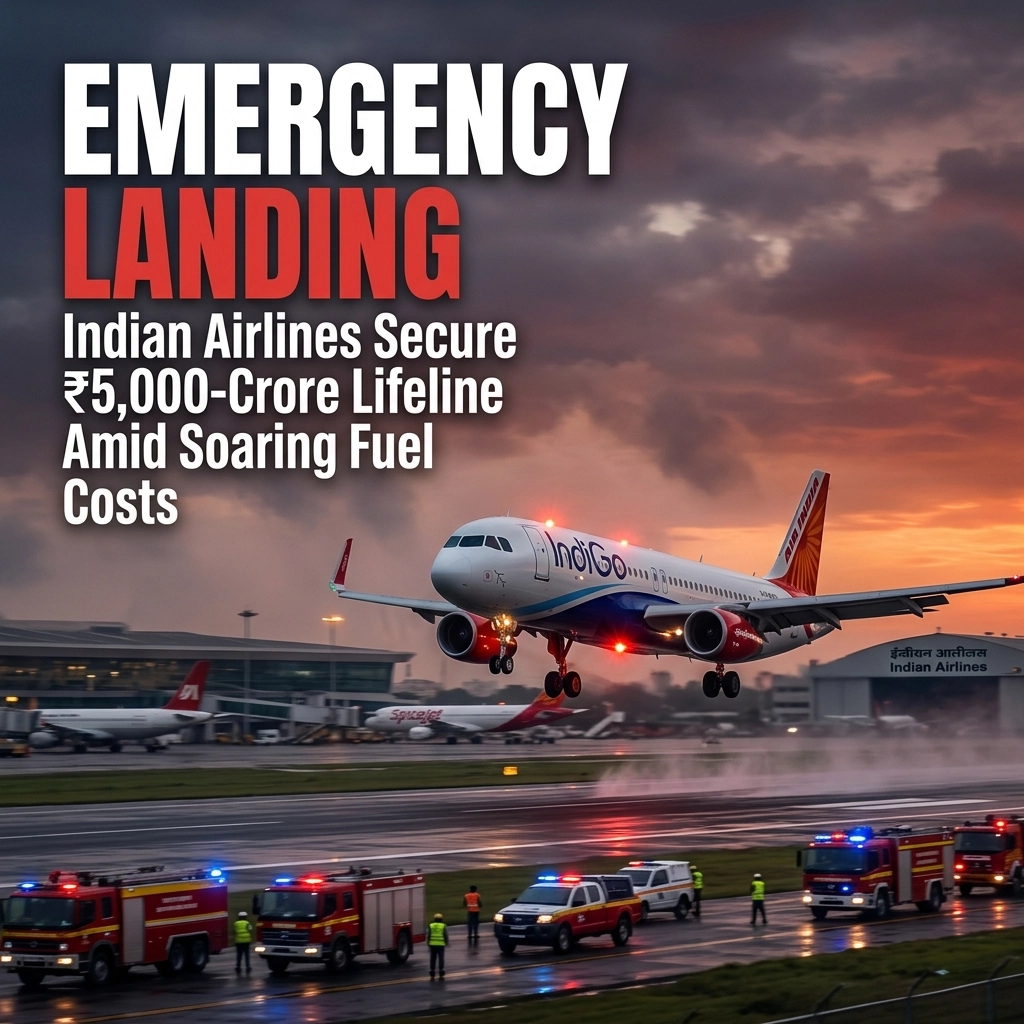

The Indian aviation sector, a cornerstone of the nation’s logistical and economic framework, is navigating one of its most turbulent periods in recent history. As of May 7, 2026, the industry is grappling with a perfect storm of geopolitical volatility, currency depreciation, and a staggering surge in operating costs. In a decisive move to prevent a systemic collapse, the Union Cabinet, chaired by Prime Minister Narendra Modi, has sanctioned a critical Indian Airlines lifeline: a ₹5,000-crore relief package under the newly expanded Emergency Credit Line Guarantee Scheme (ECLGS) 5.0.
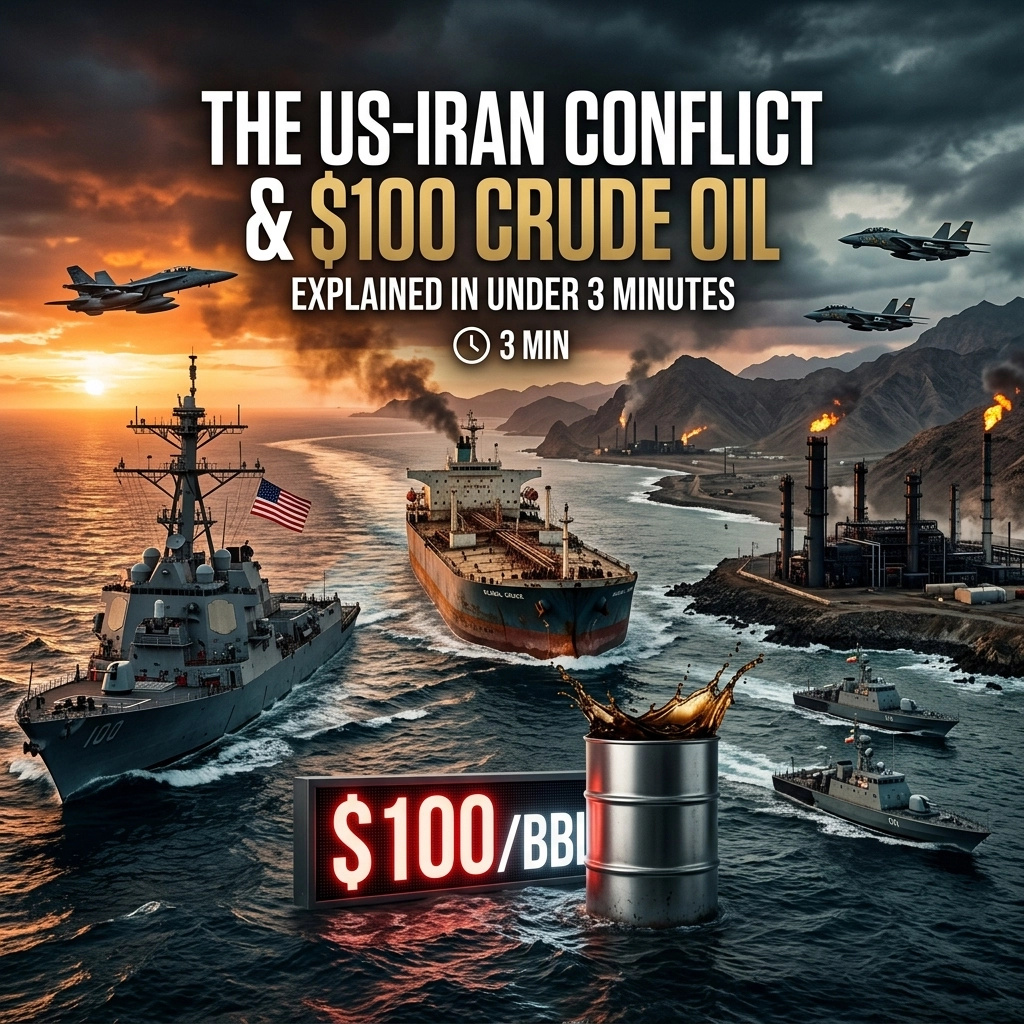
This intervention is not merely a short-term patch but a strategic "catalyst for change" designed to stabilize a sector that serves as the circulatory system of Indian commerce. With global crude prices fluctuating wildly due to escalating tensions in West Asia, particularly the precarious U.S.-Iran diplomatic standoff, the cost of Aviation Turbine Fuel (ATF) has breached historic ceilings, leaving domestic carriers in a desperate search for liquidity.
1. The ₹5,000-Crore Indian Airlines Lifeline Explained
The centerpiece of the government’s intervention is the allocation of ₹5,000 crore specifically earmarked for the aviation industry within a broader ₹2.5 lakh crore credit framework. This Indian Airlines lifeline is structured to provide immediate breathing room for carriers whose balance sheets have been battered by the West Asia crisis.
Under the provisions of ECLGS 5.0, scheduled passenger airlines can access credit facilities designed to bridge the widening gap between operational revenue and soaring input costs. The scheme offers 100% guarantee coverage for MSME-level aviation entities and a robust 90% guarantee for larger, non-MSME players. This sophisticated financial architecture ensures that lenders remain confident in extending credit even as the industry’s risk profile remains elevated.

2. Navigating the ATF Price Surge and Geopolitical Turbulence
The primary driver behind this emergency landing for the industry is the unprecedented rise in jet fuel prices. ATF accounts for approximately 40% of an Indian carrier’s total operating expenditure. In early 2026, the market witnessed a sharp hike in prices as the U.S.-Iran deal wavered, leading to supply chain uncertainties.
The impact of these soaring costs is compounded by a depreciating Rupee, which makes dollar-denominated expenses: such as aircraft leases, maintenance, repair, and overhaul (MRO) services, and fuel imports: significantly more expensive. For many carriers, the cost of flying has outpaced the ticket prices consumers are willing to pay, leading to a "liquidity crunch" that threatens the very survival of smaller regional players.
3. Structural Dynamics of the ECLGS 5.0 Framework
The technical specifications of the Indian Airlines lifeline are tailored to the long-gestation nature of the industry. The loan structure includes:
- Generous Tenure: A 7-year repayment period allows airlines to spread out their debt obligations over a horizon that accounts for the slow recovery of international traffic.
- Repayment Moratorium: A critical 2-year moratorium on the principal repayment ensures that airlines can utilize the initial funds purely for operational stabilization and clearing statutory dues.
- Credit Caps: Individual airlines are permitted to borrow up to ₹1,000 crore. However, a provision for an additional ₹500 crore exists, provided it is matched by an equivalent equity infusion from the airline’s promoters. This ensures that the government’s support is balanced by private "skin in the game."

4. Addressing the Disparity Between Market Leaders and Striving Carriers
The Indian sky is currently a tale of two realities. On one hand, market leaders like IndiGo and the revitalized Air India Group possess the capital reserves to weather the storm. On the other hand, smaller, low-cost carriers and regional airlines are facing existential threats.
Reports indicate that several smaller operators have struggled to meet salary obligations and mandatory statutory contributions in the first quarter of 2026. The ₹5,000-crore package is designed to "democratize" access to capital, ensuring that the market does not consolidate into a duopoly, which would ultimately hurt consumers through higher fares and reduced connectivity to Tier-2 and Tier-3 cities.
You can track the latest updates on market shifts and corporate earnings at Business Tantra’s Home News.
5. Strategic Implications for National Connectivity
Beyond the immediate financial survival of individual firms, the Indian Airlines lifeline is about preserving the "value proposition" of India’s UDAN (Ude Desh ka Aam Nagrik) scheme. The government recognizes that aviation is no longer a luxury but a critical tool for economic integration.
The closure of any airline would lead to a "domino effect": triggering job losses across the hospitality, tourism, and logistics sectors. By injecting liquidity, the government is effectively underwriting the stability of the entire travel ecosystem. This proactive stance reflects an understanding that maintaining aviation infrastructure is essential for the "exponential growth" targets set for the Indian economy in the coming decade.
6. Regulatory Oversight and Legalistic Safeguards
To ensure that the funds are utilized for their "legitimate purpose": namely operational sustenance and debt restructuring: the Ministry of Civil Aviation (MoCA) and the Ministry of Finance have implemented rigorous data-driven insights and reporting requirements.
Airlines seeking the lifeline must maintain a "standard account" status as of March 31, 2026. This legalistic threshold prevents the diversion of funds to chronically mismanaged entities that were failing even before the current fuel crisis. Furthermore, the 100% guarantee for MSMEs ensures that the supply chain: from ground handling agencies to regional feeder airlines: remains intact.

7. The Road Ahead: Sustainability or Short-term Fix?
While the ₹5,000-crore infusion is a vital stopgap, the long-term health of the sector depends on structural reforms. Industry analysts argue that for the Indian Airlines lifeline to be truly effective, it must be accompanied by a revision of the tax structure on ATF. Currently, jet fuel remains outside the ambit of the Goods and Services Tax (GST), leading to high Value Added Tax (VAT) in various states.
As the industry looks toward the rest of 2026, the focus will shift from "survival" to "sustainability." Airlines must leverage this period of liquidity to invest in fuel-efficient fleets and digital transformation tools that optimize flight paths and reduce operational waste.
For more insights into how government policies are shaping the future of Indian industry, visit our About Us page or explore our Blog Layout for detailed sector-specific analyses.
Conclusion
The ₹5,000-crore relief package serves as a critical "emergency landing" gear for an industry that was flying into a fiscal storm. By providing the Indian Airlines lifeline, the government has demonstrated a commitment to protecting the nation's economic connectivity and ensuring that the aviation sector remains a driver of growth rather than a casualty of global geopolitics.
However, the success of this intervention hinges on the stability of global oil markets and the ability of Indian carriers to manage their internal efficiencies. As we monitor the situation at Business Tantra, it is clear that while the immediate threat of a sector-wide shutdown has been mitigated, the journey toward a truly resilient and profitable aviation industry in India is still in its climb phase.
To stay updated on the latest financial news and market movements, ensure you are registered with us for real-time alerts.
External References for Further Reading: