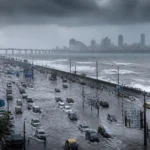


























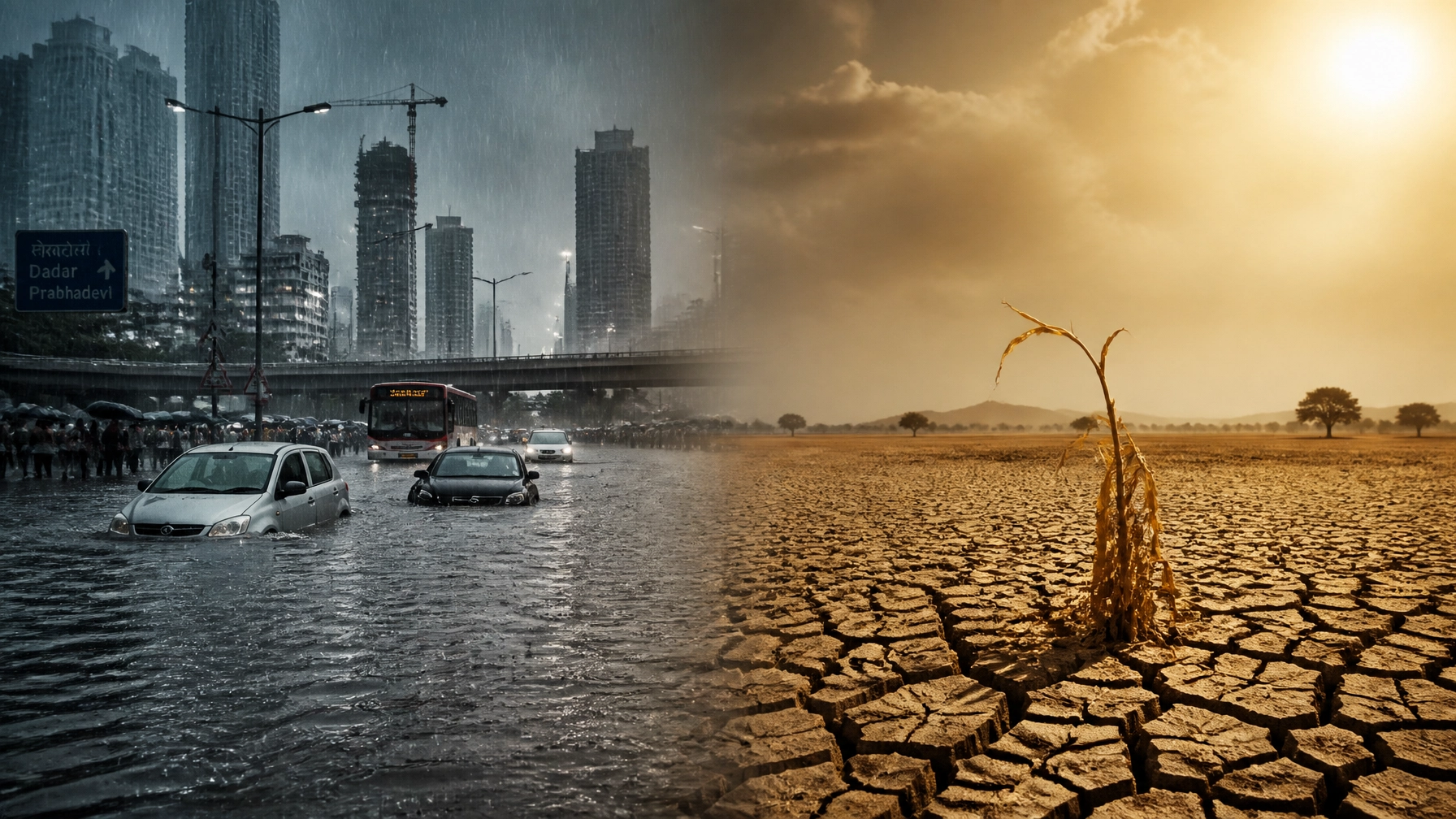

If you’ve stepped outside in Mumbai over the last 72 hours, you’ve likely seen a city transformed into a giant water park, only without the fun. Subways are flooded, trains are delayed, and the city’s spirit is being tested by a relentless downpour. But here is the strange part: while Mumbai is drowning, most of India is actually thirsting for water.
Welcome to India's monsoon paradox.
As of July 7, 2026, we are witnessing one of the most confusing weather patterns in a decade. On one hand, the Indian Meteorological Department (IMD) reports that June 2026 was the driest in over ten years, with a staggering 40% rainfall deficit nationwide. On the other hand, Mumbai just received an entire month’s worth of rain in roughly four days.
How is it possible to have a national drought and a local flood at the same time? Let’s break down the science, the economics, and what this means for your wallet.
The Great June Deficit: Why 2026 Started Dry
For most of India, June was a month of heatwaves and disappointment. Usually, the monsoon begins its march across the subcontinent in early June, bringing relief to farmers and cooling down the sweltering plains. This year, the party was late, and very quiet.
By the Numbers: A 40% Shortfall
The national average rainfall for June 2026 stood at just 99.5 mm, compared to the normal 165.3 mm. That’s a massive gap. In regions like Central India, the deficit hit a terrifying 50%. This isn't just a "bad month", it’s the 5th driest June in the last 126 years.
The El Niño Factor
The primary culprit behind this dry start is a strengthening El Niño. According to NOAA, the "warm phase" of the El Niño-Southern Oscillation (ENSO) was officially declared in mid-June. When the waters of the central and eastern Pacific Ocean warm up, it disrupts the global wind patterns that usually push the monsoon toward India.

Without the usual "push" from the Pacific, the monsoon winds were weak and disorganized. This left the heart of India, the agrarian belt, waiting for rain that simply didn't come. You can stay updated on how these shifts affect the market through our latest stories.
The Mumbai Exception: A Month’s Rain in 4 Days
While the rest of the country looked at clear blue skies with dread, Mumbaikars were looking at grey clouds with even more dread. The monsoon finally hit the Konkan coast around June 23, but it didn't just "arrive." It exploded.
Compressed Rainfall
Instead of the rain being spread out over 30 days, nature decided to play "catch-up" all at once. Locations like Andheri, Mulund, and Versova saw over 150 mm of rain in just a few hours. When you dump that much water on a city with aging drainage systems and rapid concrete expansion, you don't get "rainy weather", you get a shutdown.
Is Mumbai Shutting Down?
With a Red Alert extended into early July, schools have been shut, and companies have issued Work-From-Home (WFH) advisories. For a city that "never sleeps," the 2026 rains have certainly forced it to hit the snooze button. This localized extreme is a classic symptom of climate change: shorter, more intense bursts of rain rather than steady, nourishing showers.
FAQ: Understanding India's Monsoon Paradox
Q: If Mumbai is flooding, why is there still a national rainfall deficit?
A: Rainfall is measured by volume across the entire geography of India. While Mumbai (a tiny speck on the map) got a massive amount of water, the vast majority of India's landmass, particularly the agricultural heartlands of Madhya Pradesh, Maharashtra, and Uttar Pradesh, received almost nothing. One city's flood cannot cancel out a country's drought.
Q: How does this affect the Indian economy?
A: It’s a double whammy. The dry June has delayed the Kharif (summer crop) sowing, which could lead to lower yields of rice, pulses, and oilseeds. Meanwhile, the urban flooding in Mumbai disrupts one of the world's most critical financial hubs. For more on how this impacts fiscal policy, check our economics section.
Q: Is El Niño going to stay?
A: Most meteorologists expect El Niño to persist into early 2027. This means the entire 2026 monsoon season might remain "below normal," even if we see more "flash flood" events in specific cities.
The Economic Ripple Effect
At Business Tantra, we look at the numbers behind the news. The India's monsoon paradox isn't just a weather story; it's an inflation story.
Agriculture and FMCG
Agriculture contributes significantly to India’s GDP. A dry June means farmers have to wait to plant their crops. If they plant late, the harvest is late, and the risk of crop failure increases if the rains end early. This leads to higher food prices (inflation) and lower rural demand for products ranging from soaps to tractors.

Infrastructure and Productivity
On the flip side, the urban flooding in Mumbai and other coastal cities causes billions in productivity losses. When people can't commute, and goods can't move, the "gears" of the economy grind to a halt. The cost of repairing damaged infrastructure after these "short-burst" floods adds another layer of financial strain on municipal budgets.
Why Is This Happening Now?
Climate scientists point toward a "new normal." The combination of a strong El Niño and rising global temperatures is making the monsoon more erratic.
- Ocean Warming: The Indian Ocean is warming faster than other oceans, which can create localized low-pressure systems that bring sudden, extreme rain to coastal areas like Mumbai.
- Atmospheric Blocking: Other global weather systems, like the Madden-Julian Oscillation (MJO), were in "unfavorable" phases this June, essentially blocking the rain-bearing clouds from moving inland.

For the average consumer, this translates to higher vegetable prices at the market and higher insurance premiums for flood-prone areas. It’s a reminder that our business models need to be as resilient as our spirits.
Looking Ahead: Can We Fix the Paradox?
While we can't control the clouds, we can control our response. The current crisis highlights the need for two major shifts in Indian policy and business:
- Water Management: We need better ways to capture the "flood" water in cities like Mumbai and store it or divert it to help during dry spells.
- Climate-Smart Agriculture: Encouraging farmers to grow crops that require less water or have shorter growing cycles can help mitigate the impact of a dry June.
Infrastructure development remains a key pillar of India's growth strategy. To see how these projects are progressing despite the weather, take a look at our infrastructure highlights.

Conclusion
The India's monsoon paradox of 2026 is a stark reminder of the volatility we face in a changing climate. Seeing Mumbai submerged while the rest of the country prays for a single drop of rain is a visual representation of a system out of balance.
The primary impact is clear: the 40% rainfall deficit in June will put pressure on food prices and rural growth, while the urban floods will test the resilience of our financial capital. As we move into the rest of the season, the hope is for a more "distributed" monsoon: one that brings enough rain to the fields without drowning the streets.
Stay tuned to Business Tantra for the latest updates on how the weather is shaping the Indian business landscape.