


























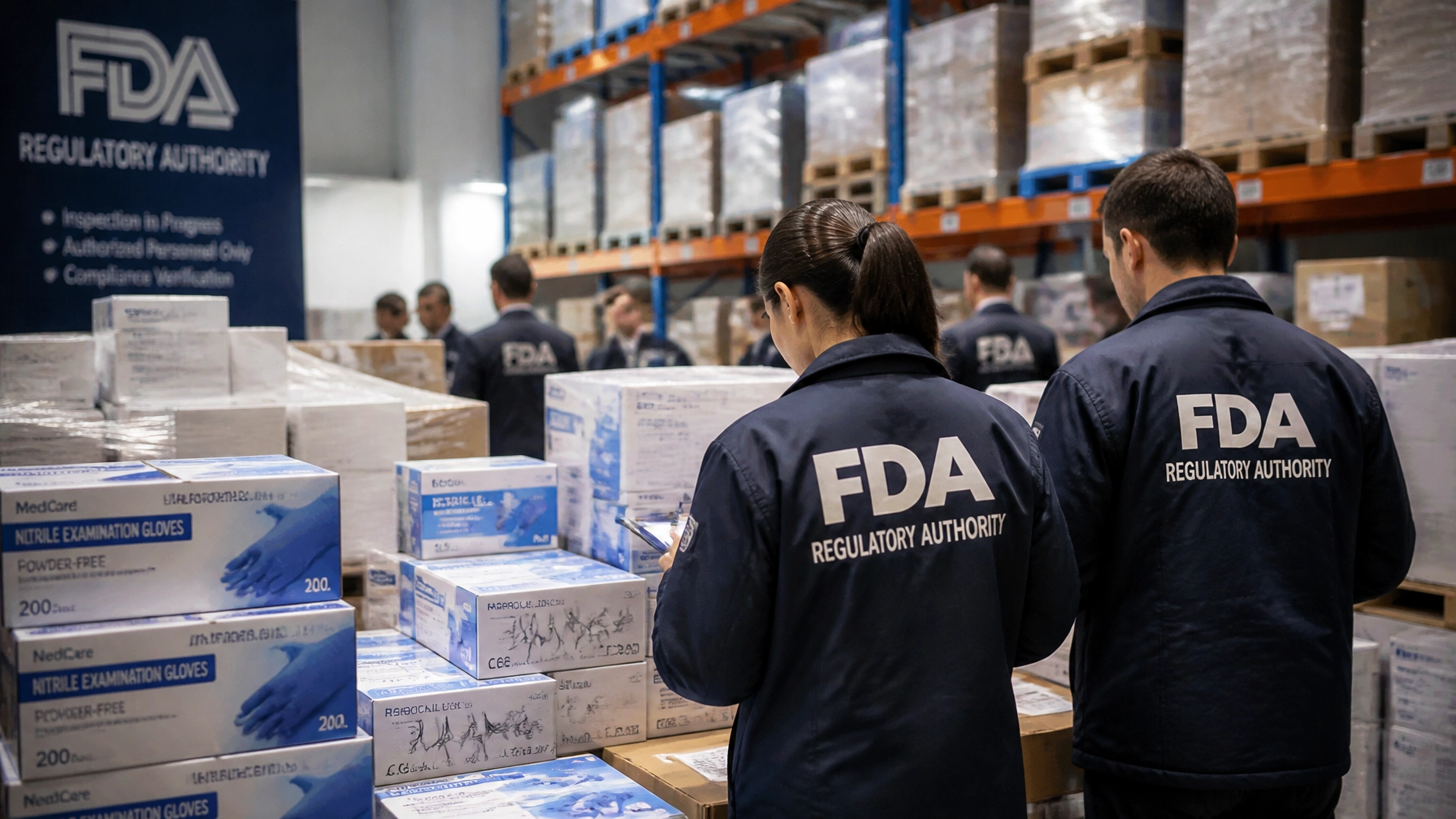

In a decisive move to uphold the sanctity of public health and safety, the Food and Drug Administration (FDA) of Maharashtra has executed a significant enforcement drive. The recent Maharashtra FDA Crackdown resulted in the seizure of medical devices and gloves valued at approximately ₹2.17 crore. This operation, targeting systemic irregularities within the medical supply chain, serves as a critical reminder of the stringent regulatory oversight required to maintain the integrity of India’s burgeoning healthcare sector.
The seizure, which occurred across multiple logistical hubs and manufacturing units, underscores the government’s commitment to purging the market of substandard or illegally procured medical equipment. As India positions itself as a global hub for medical manufacturing, such regulatory interventions are a catalyst for change, ensuring that "exponential growth" does not come at the cost of patient safety or ethical business practices.
1. Unpacking the Scale of the Maharashtra FDA Crackdown
The enforcement operation was initiated following specific data-driven insights suggesting that large consignments of medical gloves and surgical equipment were being distributed without the requisite licensing and quality certifications. Officials from the FDA conducted simultaneous raids, identifying substantial stockpiles that failed to meet the mandatory standards prescribed under the Medical Devices Rules (MDR).
The items seized: primarily medical-grade gloves and essential surgical peripherals: represent a significant portion of the daily supply chain for many regional healthcare providers. By removing these unregulated items from the electronic communications network of distribution, the FDA has effectively mitigated the risk of cross-contamination and procedural failures in clinical settings. This action is not merely punitive but serves as a protective measure for the "legitimate purpose" of ensuring healthcare excellence.

2. The Imperative of Medical Safety Standards
The medical device industry is a cornerstone of modern healthcare, and the quality of these tools is non-negotiable. When companies bypass regulatory hurdles, they undermine the entire healthcare ecosystem. The Maharashtra FDA Crackdown highlights the necessity for manufacturers and distributors to adhere to the highest tiers of quality assurance.
Substandard medical gloves, for instance, can lead to severe infections, jeopardizing the lives of both patients and medical professionals. Maintaining a "revitalized" standard of safety is essential for the long-term sustainability of the industry. For businesses operating in this space, investing in robust business management systems is no longer optional; it is a fundamental requirement for market participation and operational longevity.
3. Navigating the Regulatory Landscape: MDR 2017
In India, the Central Drugs Standard Control Organisation (CDSCO) is the apex body responsible for the regulation of medical devices. The Medical Devices Rules (MDR) of 2017 categorized devices into four classes (A, B, C, and D) based on their risk profile. The items seized during the Maharashtra FDA Crackdown often fall into categories that require rigorous clinical evaluation and manufacturing audits.
Key regulatory requirements include:
- Valid Manufacturing License: Every production unit must possess a license issued by the State or Central Licensing Authority.
- Quality Management System (QMS) Compliance: Adherence to ISO 13485 is often a prerequisite for ensuring consistent product quality.
- Accurate Labeling and Tracking: Products must be traceable through the supply chain to ensure accountability in case of recalls.
Failure to comply with these regulations doesn't just result in financial loss; it leads to severe legal repercussions that can tarnish a brand's reputation indefinitely.

4. Economic Implications and Market Democratization
While a seizure of ₹2.17 crore might seem like a setback for the specific entities involved, it is a positive indicator for the broader market. Stricter enforcement helps to democratize the industry by ensuring that compliant manufacturers are not undercut by those selling substandard, low-cost alternatives. This levels the playing field, allowing ethical enterprises to thrive.
The Indian medical device market is on a trajectory of exponential growth, fueled by domestic innovation and international partnerships. However, this growth must be anchored in transparency. Regulatory transparency attracts foreign direct investment (FDI), as global investors seek markets where the rule of law is firmly established. For a deeper understanding of how market shifts and inflation impact various sectors, readers may find our analysis on inflation gauges particularly insightful.
5. Strategic Recommendations for Industry Stakeholders
In light of the Maharashtra FDA Crackdown, medical device manufacturers and startups must prioritize compliance as a core "value proposition." The following strategic steps are recommended to ensure long-term viability:
- Continuous Internal Audits: Regularly evaluate manufacturing processes against the latest CDSCO guidelines.
- Technological Integration: Utilize blockchain or advanced ERP systems to track inventory and ensure product authenticity.
- Employee Training: Ensure that staff members are well-versed in the legalities of medical device distribution.
- Strategic Pivoting: As seen in our case studies on successful healthcare pivots, being adaptable to regulatory changes can lead to unprecedented growth opportunities.

6. The Role of the FDA as a Catalyst for Change
The Maharashtra FDA's role extends beyond enforcement; it acts as a guardian of the "mission" to provide safe healthcare to all citizens. By conducting such large-scale operations, the agency sends a clear message: the health of the public cannot be traded for profit. This proactive stance is essential in a country with a population as vast as India's, where the scale of distribution can amplify the impact of a single substandard product.
The agency's efforts to modernize its surveillance methods: utilizing digital reporting and real-time data analysis: represent a significant leap forward in governance. This modernization ensures that the Maharashtra FDA Crackdown is not an isolated event but part of a sustained strategy to maintain market purity.
Conclusion
The seizure of medical devices worth ₹2.17 crore by the Maharashtra FDA is a landmark event that highlights the critical intersection of business ethics and public safety. As we have explored, the Maharashtra FDA Crackdown is a necessary corrective measure in an industry that is vital to the nation's well-being. By enforcing the Medical Devices Rules of 2017 and targeting irregularities with surgical precision, the FDA is fostering an environment where quality and compliance are the primary drivers of success.
For the Indian business landscape to remain resilient and attractive to global stakeholders, the commitment to these standards must be unwavering. Companies that embrace these regulations as a blueprint for excellence, rather than a bureaucratic hurdle, will be the ones to lead the next wave of healthcare innovation. The message is clear: in the pursuit of profit, safety must never be compromised.