






















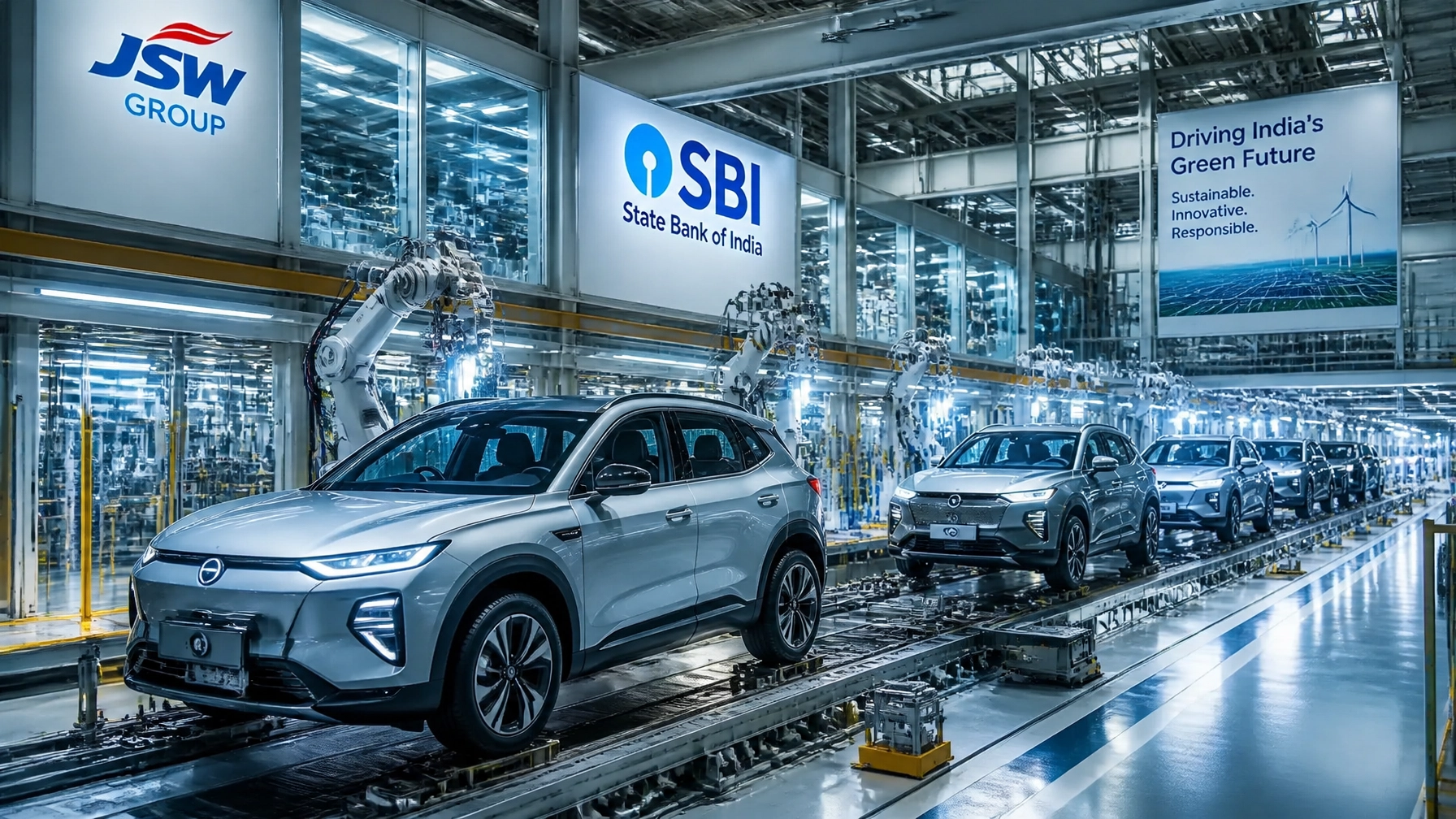

In a move that signals a seismic shift in India’s automotive landscape, JSW Motors, the automotive arm of the Sajjan Jindal-led JSW Group, has secured a massive ₹8,000 crore (approximately USD 830 million) funding line from the State Bank of India (SBI). This strategic capital infusion is earmarked specifically for the JSW Motors EV expansion, positioning the conglomerate as a formidable contender in the rapidly evolving New Energy Vehicle (NEV) sector.
This deal represents one of the largest single credit lines ever extended by a domestic lender for a greenfield automotive project in India. With a tenor extending beyond 10 years, the facility provides JSW Motors with the long-term financial stability required to build a manufacturing ecosystem from the ground up. As the Indian government continues to push for "Atmanirbhar Bharat" (Self-Reliant India) and clean mobility, this partnership between the nation's largest bank and a major industrial house serves as a catalyst for change in the transition toward sustainable transportation.
The Financial Architecture of the Deal
The ₹8,000 crore credit line from SBI is more than just a loan; it is a vote of confidence in the future of Indian manufacturing. According to industry reports, SBI acts as the primary lender but may later syndicate or sell down parts of this exposure to other financial institutions. This structure allows for widespread institutional participation in what is essentially a nation-building project.
For JSW Motors, securing such a substantial sum under favorable long-term conditions is a critical value proposition. It allows the company to bypass the immediate pressures of short-term debt and focus on high-capital-intensity projects like battery assembly and powertrain R&D. This is particularly vital given the high barriers to entry in the passenger vehicle (PV) market, which has been dominated by legacy players for decades.

A Greenfield Powerhouse in Maharashtra
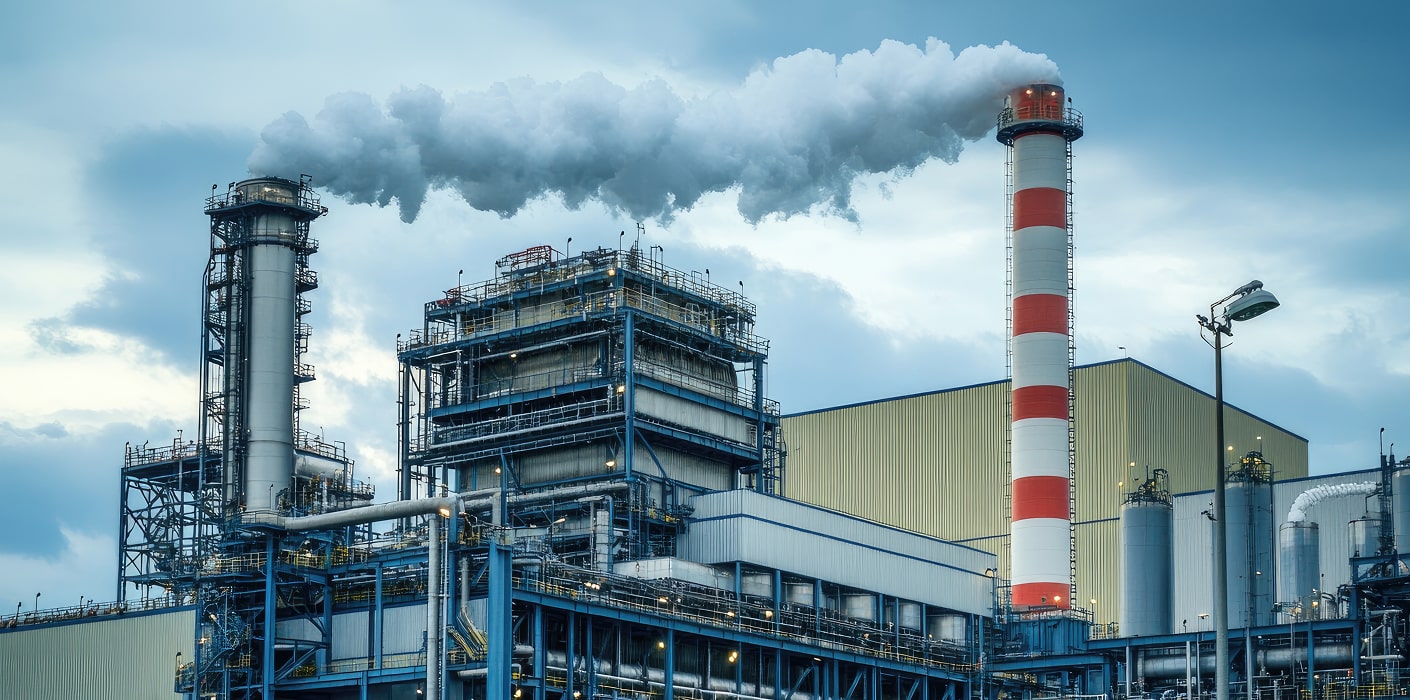
The primary beneficiary of this funding is a state-of-the-art greenfield manufacturing facility located in Chhatrapati Sambhajinagar, Maharashtra. This plant is designed to be the heartbeat of the JSW Motors EV expansion strategy.
Key features of the Maharashtra facility include:
- Massive Production Capacity: The plant is planned to have an annual production capacity of approximately 3.5 lakh (350,000) vehicles.
- Next-Generation Ecosystem: Unlike traditional assembly lines, this facility is being built as an integrated NEV ecosystem, focusing on agility and technological scalability.
- Local Job Creation: The scale of the project is expected to create thousands of direct and indirect jobs, contributing significantly to the regional economy.
By choosing Maharashtra, JSW Group leverages the state’s existing automotive infrastructure and supply chain networks. This strategic location will help the company minimize logistics costs and accelerate the time-to-market for its upcoming vehicle lineup.
Democratizing High-Tech Mobility: R&D and Technology
While manufacturing capacity is the physical foundation, technology is the soul of JSW’s automotive venture. The company is not merely aiming to assemble cars; it is striving to democratize advanced automotive technology for the Indian consumer.
JSW Motors is reportedly in a technology partnership with China’s Chery Automobile, a move that could bring sophisticated platforms like the Jetour T2 SUV to Indian shores, adapted and localized for domestic conditions. The focus will initially be on New Energy Vehicles (NEVs), specifically Plug-in Hybrid Electric Vehicles (PHEVs) and Range-Extended Electric Vehicles (REEVs). This "bridge" technology is crucial for a market like India, where charging infrastructure is still maturing.

Scaling the Engineering Workforce
To support this technological push, JSW Motors is embarking on an exponential growth phase for its human capital. The current R&D team of approximately 150 engineers is slated to grow to 500 by 2027, and eventually to a staggering 2,000 engineers by 2029. This talent pool will focus on:
- Powertrain R&D: Developing efficient motors and battery management systems tailored for Indian climates.
- ADAS & Connected Tech: Implementing Advanced Driver Assistance Systems to improve safety and user experience.
- Software Localization: Ensuring that the digital interface of the vehicles resonates with the local audience.
This heavy investment in R&D ensures that JSW's mission remains focused on innovation rather than just mimicry of global models.
Challenging the Status Quo: A New Homegrown Brand
For years, the Indian passenger vehicle market has been a duopoly or triopoly of sorts. The entry of JSW Motors marks the arrival of the first truly large-scale, homegrown Indian passenger vehicle brand in decades. This move is expected to revitalize the competitive landscape, providing consumers with more choices beyond the established offerings from Tata Motors and Mahindra & Mahindra.
The timing is impeccable. While the government has previously rejected Elon Musk's calls for tax breaks, it has simultaneously incentivized domestic production through the PLI (Production Linked Incentive) schemes. JSW Motors is perfectly positioned to capitalize on these regulatory tailwinds. Furthermore, the company's focus on NEVs aligns with global trends and India's own battery swap schemes and clean energy goals.
Strategic Significance for the Indian Economy
The JSW Motors EV expansion is not just a business move; it is a macroeconomic signal. A ₹8,000 crore commitment from SBI suggests that Indian financial institutions are ready to back high-risk, high-reward industrial ventures that align with national priorities.
From an investor's perspective, JSW's entry into the automotive sector adds a new layer of complexity to the Indian market. It forces incumbents to accelerate their own EV roadmaps and encourages global suppliers to set up shop in India, further strengthening the domestic supply chain.

Key Pillars of JSW's Market Strategy
| Feature | Strategic Objective |
|---|---|
| Integrated Value Chain | Reducing dependence on external suppliers and improving margins. |
| PHEV/REEV Focus | Addressing range anxiety and infrastructure gaps in the short term. |
| Localization | Ensuring products are "built for India, in India" to qualify for incentives. |
| Large-Scale Capex | Achieving economies of scale to compete with global automotive giants. |
Conclusion
The ₹8,000 crore funding from SBI marks a definitive milestone for JSW Motors and the Indian automotive industry at large. By securing long-term capital, JSW has cleared one of the most significant hurdles in its path to becoming a major OEM. The planned facility in Maharashtra and the aggressive R&D roadmap suggest that the company is playing the long game, aiming to not just participate in the market, but to lead it.
As the JSW Motors EV expansion unfolds, it will likely serve as a blueprint for how large Indian conglomerates can pivot into high-tech manufacturing sectors with the support of domestic finance. The impact will be felt across the board: from increased competition and better consumer choices to a more robust industrial base for a greener India.